

Note — This guide is intended for general orientation and does not replace individual professional planning. It is based on typified assumptions and does not take into account the spatial, technical, regulatory and operational conditions of your business. Before making a purchase or installation decision, have all specifications relating to safety, hygiene, fire protection, electrical installations and ventilation checked by a qualified professional, and observe the regulations applicable at your location. For the characteristics of a specific product, only the information on the relevant product page and individually agreed terms are authoritative.
The hob is the appliance that absorbs more working hours than any other in a commercial kitchen. That makes the wrong decision an expensive one – not in the purchase price, but every day afterwards: in heat-up times, in energy, in waste heat that warms the kitchen, and in burners that are too small or too large for the pans actually in use.
This guide settles the four decisions that come before the purchase: hob or range, which heat source, how many burners – and which appliance depth.
Hob or range – the difference is underneath
Both terms describe the same working surface; they differ in what sits below it.
A hob is the cooking level only. Underneath it sits an open base, a stand or a cupboard. That is the right choice when the oven stands elsewhere – because a combi steamer or convection oven is already in place, for example – or when the space below is needed for storage.
A range has an oven built into the base. Two appliances on the same footprint, which in a small kitchen is the decisive advantage. Models such as the commercial range with 4 burners and gas oven therefore cover both cooking and baking across 80 cm of width.
One point that is often overlooked: on gas ranges the oven is not automatically gas-fired as well. Combinations of a gas hob with an electric oven do exist. That is not a compromise but frequently deliberate – an electric oven regulates more finely and holds its temperature more steadily, which is what counts for baking and low-temperature work. Read the product designation closely; it states exactly which combination you are getting.
Gas, electric, induction or infrared?
This is the decision with the largest running costs – and it depends less on the appliance than on your kitchen.
Gas remains the standard in professional catering. The power is there instantly and gone again instantly, the setting is visible, and the burners work with any pan – including curved bases, woks and pots that have been in service for ten years. The range runs from the 2-burner hob as a single unit up to triple units with six burners. Gas needs a connection and adequately sized extraction: an appliance rated at 40 kW gives off a considerable share of that as heat into the room.
Electric radiant plates are the simplest and cheapest option. They need no gas connection and are robust and forgiving. In exchange they heat up slowly, cool down slowly and give off a great deal of waste heat. For side dishes, sauces and holding they are perfectly adequate; for fast searing they are not.
Induction is the most energy-efficient solution: the heat is generated in the base of the pan, not on the plate. That means very short heat-up times, precise control and markedly less waste heat – in a cramped kitchen in summer, a difference you can feel. Two prerequisites apply: induction-suitable, magnetic cookware, and an electrical supply rating to match. A 4-burner induction cooker rated at 17,000 watts is a three-phase appliance, not something for a wall socket. For smaller requirements – at a buffet or as an additional station – single appliances start at 2,000 watts with an 18 cm cooking zone.
Infrared sits between the two: faster than a radiant plate, without induction’s cookware requirement. A 4-burner infrared hob is a sensible choice where existing cookware is to stay in service but the sluggishness of classic plates is a nuisance.
How many burners – and how wide?
The burner count determines the appliance width. The usual steps:
| Configuration | Burners | Typical width | Suited to |
|---|---|---|---|
| Single unit | 1–2 | approx. 40 cm | Additional station, snack bar, side-dish station |
| Double unit | 4 | approx. 80 cm | Standard for restaurants and bistros |
| Triple unit | 6 | approx. 120 cm | Canteens, hotel kitchens, heavy workloads |
What decides the matter is not the number alone but the burner output in relation to your pans. On gas appliances the total output of one and the same configuration varies considerably – from a 4-burner hob at 24 kW to an identically wide appliance at 40 kW. Anyone using large pots or woks needs the stronger burners; anyone mostly moving sauces and side dishes is simply paying for them.
Plan in some reserve as well. A hob that is fully occupied in normal service has no free space left at peak – and that is precisely when it is needed.
What the heat source costs in service
On an appliance that runs daily for ten years, the purchase price is the smaller item. The more interesting question is where the energy put in actually ends up.
With gas and radiant plates the heat is produced beneath the pan and still has to travel into it. Part of it passes the pan and goes into the room – which is why a gas suite makes itself noticeably felt during service. This waste heat is not only lost energy; the ventilation then has to shift it out of the kitchen again. So the cost is incurred twice.
With induction the heat is produced in the base of the pan itself. The surface alongside stays comparatively cool, the waste heat entering the room is far lower, and the power is available practically instantly – no preheating the plate. Anyone who has stood at a gas suite in a cramped kitchen in summer knows the difference without any calculation at all.
Against that stand two real drawbacks: the higher purchase price and the dependence on cookware. An operation that would have to replace its entire stock of pans does a different sum from one that is re-equipping anyway.
The practical rule: where cooking runs all day and the kitchen is small, induction plays to its strengths. Where the work is irregular, with changing cookware and with woks, gas remains the more robust choice. And where the job is mostly holding and bringing back to temperature, the radiant plate is enough.
Which appliance suits which operation?
- Snack bar, food court, additional station: single unit with 2 burners or a stand-alone induction appliance – small footprint, ready for use immediately.
- Restaurant and bistro: double unit with 4 burners, 70 cm deep. Where no separate oven is available, as a range with an oven in the base.
- Hotel kitchen and canteen: triple unit with 6 burners, more likely 90 cm deep, usually as part of a continuous cooking line.
- Bakery and patisserie: frequently a hob alone, because the baking operation runs on its own ovens in any case.
Appliance depth: 60, 70 or 90 cm
The build depth is no side issue – it fixes the entire kitchen line.
60 cm is the compact line for small kitchens, snack bars and additional stations. 70 cm is the most widespread depth in catering and a good compromise between working surface and floor space. 90 cm offers the largest landing area behind the burners and the most solid construction – the choice for large-scale kitchens in continuous operation, for instance with a 6-burner range with oven in 90 cm depth.
Important: for a continuous cooking line, choose the same depth throughout. A single deeper appliance projects forward, interrupts the working surface and creates a joint behind the line that is difficult to clean.
Connection and installation – settle it before ordering
- Electrical supply rating: appliances in this class run on 400 V three-phase. A 17 kW induction appliance needs a correspondingly dimensioned supply cable and fusing. Settle that with your electrician before you order – not when the appliance is on the loading ramp.
- Gas type: natural gas and LPG require different injectors. Check which version is supplied and whether a conversion kit is needed.
- Extraction: the extraction rate follows the total installed output. Anyone extending the cooking line has to recalculate the hood – extraction that is too tight only shows up in summer.
- Cookware for induction: use a magnet to check whether your existing pans are suitable. If not, their replacement belongs in the costing.
- Cleaning: removable grates and burner caps, plus a continuous drip tray, decide how long the end-of-service clean takes.
And one further point from practice: have the connection values put in writing before you order and pass them to your electrician or installer. Two sentences in advance can save a week of downtime.
In brief
If the oven is already there, a hob is enough; if it is missing, the range saves floor space. Gas remains the most flexible heat source and works with any pan. Induction is the most efficient and coolest solution, but it demands suitable cookware and the necessary supply rating. Radiant plates are the low-cost baseline, infrared the middle way. On size the rule is: one cooking position more than normal service needs – and on depth: the same one for the entire line.
You will find the full selection under Hobs and table-top cooking appliances.
Matching Products
-
 MaximaYou save 39%2-Year Warranty
Gastro Induction Cooker 700 - 2 Burners - 7000W
-
 MaximaYou save 45%2-Year Warranty
Commercial Grade Gastro Hot Plate - Electric - 600 x 600 mm Deep - 4 Burners - with Oven - 10000 Watt
-
 MaximaYou save 44%2-Year Warranty
Gastro Heavy Duty Range - 4 Burners - Double Unit - 70 cm Deep - with Oven - Electric
-
 MaximaYou save 46%2-Year Warranty
Gastro Heavy Duty Range - 4 Burners - Double Unit - 70 cm Deep - 36 kW - Gas incl. Electric Oven
-
 MaximaYou save 46%2-Year Warranty
Gastro Heavy Duty Range - 4 Burners - Double Unit - 70 cm Deep - 31 kW - Gas incl. Oven
-
 MaximaYou save 40%2-Year Warranty
Gastro Heavy Duty Hob - 4 Burners - Double Unit - 70 cm Deep - 24 kW - Gas
-
 MaximaYou save 44%2-Year Warranty
Gastro Heavy Duty Range - 4 Burners - Double Unit - 70 cm Deep - 30 kW - Gas incl. Electric Oven
-
 MaximaYou save 44%2-Year Warranty
Gastro Heavy Duty Range - 4 Burners - Double Unit - 70 cm Deep - 34 kW - Gas incl. Oven
-
 MaximaYou save 46%2-Year Warranty
Gastro Heavy Duty Range - 4 Burners - Double Unit - 70 cm Deep - 37 kW - Gas incl. Oven
-
 MaximaYou save 46%2-Year Warranty
Gastro Heavy Duty Range - 4 Burners - Double Unit - 70 cm Deep - 33 kW - Gas incl. Electric Oven
-
 MaximaYou save 42%2-Year Warranty
Gastro Heavy Duty Hob - 2 Burners - Single Unit - 70 cm Deep - 13.5kW - Gas
-
 MaximaYou save 42%2-Year Warranty
Gastro Heavy Duty Hob - 4 Burners - Double Unit - 70 cm Deep - 27 kW - Gas
-
 MaximaYou save 40%2-Year Warranty
Gastro Heavy Duty Hob - 4 Burners - Double Unit - 70 cm Deep - 30 kW - Gas
-
 MaximaYou save 42%2-Year Warranty
Gastro Heavy Duty Solid Top Range - 1 Burner - Double Unit - 70 cm Deep - Gas
-
 MaximaYou save 46%2-Year Warranty
Gastro Premium Range - 4 Burners - Double Unit - 90 cm Deep - Gas
-
 MaximaYou save 46%2-Year Warranty
Gastro Premium Range - 6 Burners - Triple Unit - 90 cm Deep - incl. Oven - Gas
-
 MaximaYou save 46%2-Year Warranty
Gastro Premium Range - 6 Burners - Triple Unit - 90 cm Deep - Gas incl. Electric Oven
-
 MaximaYou save 41%2-Year Warranty
Gastro Premium Hob - 2 Burners - Single Unit - 90 cm Deep - Gas
-
 MaximaYou save 44%2-Year Warranty
Gastro Premium Hob - 4 Burners - Double Unit - 90 cm Deep - Gas
-
 MaximaYou save 44%2-Year Warranty
Gastro Premium Hob - 4 Burners - Double Unit - 90 cm Deep - 40 kW - Gas
-
 MaximaYou save 44%2-Year Warranty
Gastro Premium Hob - 6 Burners - Triple Unit - 90 cm Deep - Gas
-
 MaximaYou save 41%2-Year Warranty
Gastro Premium Hob - 1 Burner - Double Unit - 90 cm Deep - Gas
-
 MaximaYou save 46%2-Year Warranty
Gastro Premium Range - 4 Burners - Double Unit - 90 cm Deep - Electric
-
 MaximaYou save 46%2-Year Warranty
Gastro Premium Range - 6 Burners - Triple Unit - 90 cm Deep - incl. Oven - Electric
-
 MaximaYou save 46%2-Year Warranty
Gastro Premium Range - 6 Burners - Triple Unit - 90 cm Deep - incl. Wide Oven - Electric
-
 MaximaYou save 46%2-Year Warranty
Gastro Premium Hob - 4 Burners - Double Unit - 90 cm Deep - Electric
-
 MaximaYou save 46%2-Year Warranty
Gastro Premium Hob - 6 Burners - Triple Unit - 90 cm Deep - Electric
-
 MaximaYou save 42%2-Year Warranty
Gastro Premium Hob - 2 Burners - Single Unit - 90 cm Deep - Electric
-
 MaximaYou save 46%2-Year Warranty
Gastro Premium Infrared Hob - 4 Burners - Double Unit - 90 cm Deep - Electric
-
 MaximaYou save 37%2-Year Warranty
Gastro Induction Hob - Ø26 cm - Built-in - 3500W
-
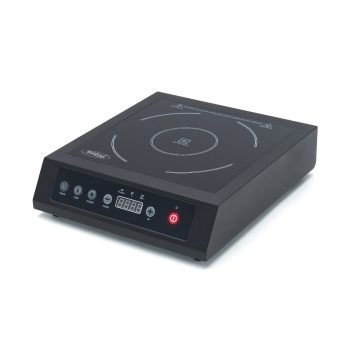 MaximaYou save 37%2-Year Warranty
Gastro Induction Hob - Ø26 cm - 3500W
-
 MaximaYou save 39%2-Year Warranty
Commercial Heavy Duty Hob - 2 Burners - Single Unit - 15 kW Gas
-
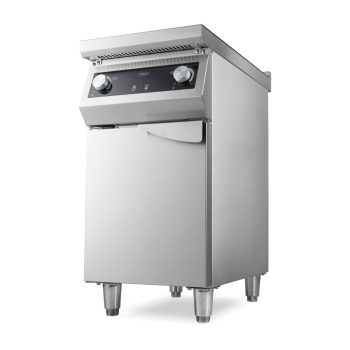 MaximaYou save 40%2-Year Warranty
Commercial Induction Cooker 700 - 2 Burners - 8500W - With Stand
-
 MaximaYou save 44%2-Year Warranty
Commercial Induction Cooker 700 - 4 Burners - 17000W - With Stand
-
 MaximaYou save 46%2-Year Warranty
Commercial Premium Induction Hob - 4 Burners - Double Unit - 90 cm Deep - Electric
-
 MaximaYou save 35%2-Year Warranty
Commercial Hob - Ø18 cm - 2000W - Induction
-
 MaximaYou save 38%2-Year Warranty
Commercial Hob - Ø26 cm - 5000W - Induction - 400 V
-
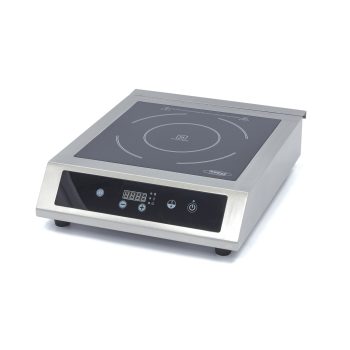 MaximaYou save 37%2-Year Warranty
Commercial Hob - Ø28 cm - 3500W - Induction
-
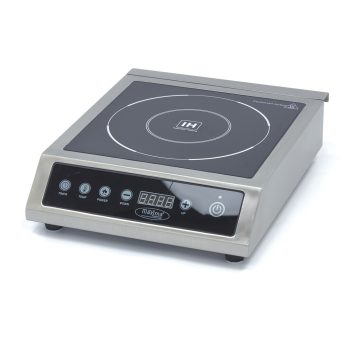 MaximaYou save 37%2-Year Warranty
Commercial Hob - Ø24 cm - 3500W - Induction
-
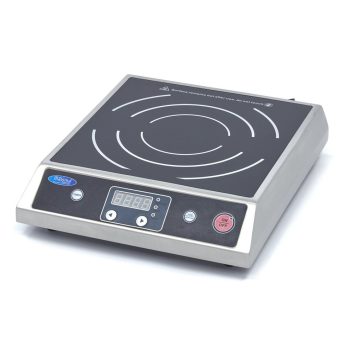 MaximaYou save 37%2-Year Warranty
Commercial Hob - Ø26 cm - 2700W - Induction
-
 MaximaYou save 44%2-Year Warranty
Commercial Heavy Duty Hob - 2 Burners - Induction - Double Unit - 70 cm Deep
-
 MaximaYou save 46%2-Year Warranty
Commercial Heavy Duty Hob - 4 Burners - Infrared - Double Unit - 70 cm Deep
-
 MaximaYou save 43%2-Year Warranty
Commercial Heavy Duty Hob - 2 Burners - Infrared - Double Unit - 70 cm Deep
-
 MaximaYou save 40%2-Year Warranty
Commercial Hob - 2 Burners - Single Unit - 60 cm Deep - Electric
-
 MaximaYou save 44%2-Year Warranty
Commercial Heavy Duty Hob - 2 Burners - Single Unit - 70 cm Deep - Gas
-
 MaximaYou save 38%2-Year Warranty
Commercial Heavy Duty Hob - 2 Burners - Single Unit - 70 cm Deep - Electric
-
 MaximaYou save 39%2-Year Warranty
Commercial Heavy Duty Hob - 4 Burners - Double Unit - 70 cm Deep - Electric
-
 MaximaYou save 42%2-Year Warranty
Commercial Hob - 2 Burners - Single Unit - 60 cm Deep - Gas
-
 MaximaYou save 45%2-Year Warranty
Commercial Hob - 4 Burners - Double Unit - 60 cm Deep - Gas
-
 MaximaYou save 41%2-Year Warranty
Commercial Hob - 4 Burners - Double Unit - 60 cm Deep - 400 V